Monday, February 27, 2023

Understanding the benefits of welded mesh

 Available in various shapes and sizes, welded wire mesh is a metal wire screen that is made up of low carbon steel wire or stainless steel wire. Weld mesh is a frequently used term which is used to describe barrier fencing that is manufactured in mesh from steel wire, welded at each intersection.
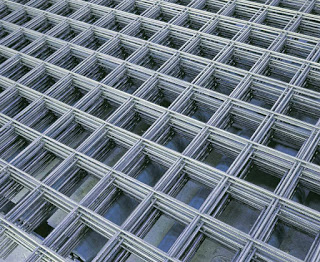
Welded Mesh


In order to prevent rust and corrosion, they are placed in a crisscross manner.

It is avidly used for a variety of purposes like— industrial, agricultural, transportation, construction, horticulture, and food procuring sectors. It is also used in mines, gardening, machine protection, and other decorations.

Welded Mesh has multiple benefits and uses such as—

  • Security fencing: These make for impassable security with their sturdy and safe design. The fence can be customized according to the elevation and purpose it’s needed for. The manner in which it is constructed makes it difficult for intruders to smash it.
  • Easy installation: the welded mesh is easy to install as it can be erected on any surface easily and quickly. Which makes it an ideal option due to its adaptability. It is also, a great handy option, if you plan to install a fence in a short time frame.
  • Construction purposes: Welded mesh is used for a variety of building purposes. It is used for building highway paving and airport roads. Weldmesh is often used with slabs to build concrete floors to ensure longtime strength and durability.
  • Horticulture: in the horticulture industry welded mesh is used for fencing, tree guards, and for various plant protection purposes. It is also used for animal enclosures on fields.
  • Other benefits: requires less field labor as material fabrication is automated, it is an economical option as it is cost-effective compared to other options.

So, if you are planning to look for welded mesh fencing then Gulf Steel is a perfect option to think about. Their weld mesh is durable, tough, safe, and offers a perfect solution for all of your security requirements.

Established in 1992, Gulf Steel is a leading Steel Suppliers in UAE. Known for their grade quality steel, Gulf Steel is known to provide CARES approved steel. Led by a strong management team, Gulf Steel is one of the most reputable steel producers in UAE

Monday, January 16, 2023

Significance of Lugs and Ribs on TMT bars

 Reinforcing steel bars, also known as rebar, are a crucial component of many construction projects. These strong and durable steel bars are used to reinforce the concrete in buildings, bridges, and other structures. Incorporating rebars from reputed steel producers in UAE into your construction project not only strengthens the structure but also helps to ensure the safety of those who will be using the building. By adding rebar, you can reduce the risk of cracks and other structural issues that could compromise the integrity of the building. With its strength-to-weight ratio and versatility, steel also allows for the creation of slender sleek designs, and innovative architectural features.

What are Lugs and Ribs?

Lugs are small bumps, rolled onto the surface of TMT bars during the manufacturing process, providing additional grip and grip points for the bars, which can help to improve the bond between the bars and the surrounding concrete. Ribs, on the other hand, are raised ridges that run along the length of TMT steel bars, while improving the bond between the TMT bar and the surrounding concrete, just like lugs.


Lugs and ribs are essential features of TMT bars that provide additional strength and stability to the bars during construction. These features are designed to improve the performance of the TMT bars, making them an essential component of many construction projects. Have the best steel producer in the UAE to deliver only the best materials to you.

Why are Lugs and Ribs on TMT bars significant?


The significance of lugs and ribs on TMT bars cannot be overstated. These features help contribute to their performance and effectiveness as reinforcing steel used for many construction projects. Whether you are building a bridge, a building, or any other type of structure, TMT bars with lugs and ribs to boot, from the best steel producer in UAE can help to ensure that your project is built to last. 

Stability and Flexibility 

This can be especially important in construction projects where the bars are subjected to high loads or vibrations, as it can help to prevent the bars from slipping or shifting out of place. However, they also serve as additional structural support to the bars, making them stronger and more resistant to bending and buckling. If the bars are subjected to high loads or stresses, the ridges can help prevent the bars from failing under the weight of the concrete or other materials that they are supporting.

Optimum strength

The stronger linkages that ribbed patterns create with the concrete offer more structural stability than plain rods. Therefore, naturally occurring events have little impact on such structures and cannot pull the rods out of their foundations. Architects and engineers can create structures that can reduce the risk to life and property from natural catastrophes, such as floods and earthquakes, by using structural stability and crack-free constructions.


Looking for a reputed and well-established reinforcement steel bar supplier in Abu Dhabi? Get in touch with Gulf Steel to get construction solutions for quality buildings!

Tuesday, December 27, 2022

Benefits of Using Steel in Construction

 The use of steel in the construction industry has skyrocketed. Steel is used extensively in construction, and as the population grows, so will the demand for more infrastructure and buildings. These materials have a high level of performance, versatility, and durability. It goes without saying that reduced construction costs, increased safety, and quicker development will all benefit your building project. To learn more, keep reading;

Speed Construction:

Prefabricated materials used in steel construction are produced off-site and can be quickly and trouble-free installed on-site. This speedy installation process prevents high labor costs or losing weeks or even months of your time that would have been spent constructing a wooden frame and concrete walls.

Durability:

Compared to weight-bearing concrete or wood components, structural steel components are both stronger and lighter. Structural steel is dependable and easy to maintain, with an estimated lifespan of well over a century and an extreme toughness unmatched by older materials like oak. The ability to withstand the elements is required for buildings, bridges, and other structures. Stainless steel is extremely tough and durable, so it will last for many years without deterioration.

Heightened safety:

One of the top priorities in any construction project is safety. Because of this, construction managers or project owners want to make sure that they only use high-quality materials that the workers can easily install in various parts of the building.

Steel buildings offer advantages that are difficult to match in terms of safety. It can withstand all kinds of weather, including hurricanes, earthquakes, and significant snowfall.

Value for money:

The durability and tensile strength of structural steel also have the benefit of lowering initial investment and upkeep costs. When compared to using concrete framed buildings, it was discovered that steel framed solutions can lower building structure costs by up to 6%, which can result in significant savings for you. Steel construction is more cost-effective without compromising the structural soundness, toughness, or safety of your building.

Sustainability:

Construction companies and building suppliers produce a small amount of waste during fabrication and erection. You can be confident that your use of structural steel won't have any unneeded negative effects on the environment. Utilizing such materials can also assist you in reducing costs because they can be endlessly recycled and repurposed without losing any of their original properties.

Design flexibility:

One of the greatest benefits of steel structures is their flexibility, which allows them to be built to meet specific needs. Compared to designers who only use bricks, plate glass, polycarbonates, or stonework, those working with steel can express their creativity to a greater extent.

For more information, get in touch with Gulf Steel, who has been producing high-quality steel for three decades and is the best steel suppliers in UAE. The company has placed a strong emphasis on technological innovation geared toward the production of high-quality steel products, led by a capable management team.


Monday, November 28, 2022

Frequently Asked Questions About Rebar:

 A rebar, short for “reinforcing bar” or “reinforcement steel bar”, is a steel bar or rod that is used to help increase the tensile strength of concrete. Here are the answers to some of the commonly asked questions about rebars

1. What does rebar mean?

A rebar is a steel bar or rod used to reinforce concrete. It comes in various sizes, grades and types and is used to reinforce concrete in both structural and non-structural applications. Rebar are often used to increase the strength and durability of a concrete structure.

2. What are the different types of rebar?

Most common types of rebars are: European (carbon, manganese, silicon, and other alloy); carbon steel (basic "black" rebar); galvanized; epoxy coated; glass-fiber-reinforced-polymer (GFRP); and stainless steel.

3.  What tools do I need to work with rebar?

There are a few basic tools that are necessary when working with rebar. 

  • Rebar Benders

  • Rebar Cutters

  • Rebar Combo Cutter/Benders

  • Rebar Tying Tools

  • Rebar Bar Lock Couplers & more

All of this equipment will enable you to deal with rebar effectively and correct ties or mistakes before the concrete is poured.

4.  How does rebar work?

Rebar provides concrete structures strength and stability. Even though concrete is incredibly strong, tension stresses can cause it to lose its integrity, which can result in cracking and spalling, which is when the material starts flaking and breaking away. When rebar is installed before concrete is poured, the two forms a bond that strengthens the structure as a whole.

If you have any further queries about rebar, contact Gulf Steel, one of the leading steel manufacturer in UAE. Call them for further assistance!


Sunday, October 23, 2022

How Rebars Are To Be Stored At Work Sites

 Rebar is one of the most prominent inclusions made in order to strengthen the concrete and bring in the required stability. With the stress-distributing and tension-absorbing quality of the Rebars, the concrete is shielded against cracking.


As rebars make it to several construction sites with different surroundings and conditions, it is crucial to store and handle them in a particular way – else the chances of rusting gather speed. Also, it is highly advised to get rebars from reputed and high-quality steel suppliers in UAE to ascertain that the concrete is supported in the most ideal manner.

Steel Producer in UAE


How to handle and store Rebars?

  1. Protection Through Covering


Cinder blocks can be used to cover the edges of the rebars while the thick tarp can cover the body – such protection is necessary to restrict the rebar’s exposure to surroundings.


  1. Putting on Wooden Pallets


It’s a good practice to put the rebars on a raised non-metallic surface, like the wooden pallets, to ensure minimum contact and exposure. It’s not advisable to place the rebars on the ground due to the moisture present which can rust the rebar.


  1. No Wood Surface for Galvanized Rebars


If galvanized rebars are to be managed on the construction site, make sure they are placed on any raised and non-metallic surface other than wood. Additionally, the uncoated rebars must be placed considerably far from the galvanized ones.


  1. Carbon Steel and Stainless Steel Don’t Go Well Together


The stainless steel rebars are to be placed in such a manner that they don’t come in contact with the carbon steel rebars. If this seems unachievable, make sure that the stainless steel rebar stays atop the other kind of rebar.


  1. Provide Adequate Support


To prevent the bending of rebars, providing enough support while stacking them remains important. If possible, use special steel racks for better stacking.


Know more about the manufacturing of premium quality and durable Reinforcement Steels Bars by Gulf Steel.

Tuesday, September 6, 2022

Things You Need To Know About Tying Rebar

 One of the primary concerns of architects and builders when planning and building new structures is their durability. To be cost-effective to the community, structures, particularly bridges, should provide at least a full century of service life with little maintenance. Professional installation of stainless steel reinforcement is one method used to help achieve this long period (often called rebar).

Corrosion is one of the leading causes of structural failure over time, so preventing it is essential. The corrosion resistance of stainless steel ties used to hold the rebar together before the concrete is placed can be used to ensure that the rebar is protected. Furthermore, unlike other steels, stainless steel will not leave marks or discolor the concrete.

If you've ever driven by a construction site or toured a structure in the early stages of construction, you've probably noticed the inconspicuous presence of rebar. These long metal rods are frequently laid across a foundation to form a grid beneath the structure, or they are tied together in bundles to support the concrete.

Here are the things you need to know about tying rebar.

There are various ways to join rebar, just like sailor knots. Fortunately for us, they all have catchy names, which makes discussing this even more entertaining. Each of the various ties serves a purpose.

The Saddle Tie: This method requires a few more steps, which is why it is preferred for certain projects. Instead of constructing a diagonal binding across the bar, it is similar to a square knot.

Wrap and Saddle: It is made up of a one-and-a-half loop around the steel. However, it is based on the saddle tie and adds security and rigidity.

Snap Tie: This is the most common, as it only requires a simple tie. One wrap around the joint, a few twists and turns, and you're done! This is used for horizontal surfaces, such as the foundation of any concrete-required structure. The rebar is then elevated above the dirt using specialized cushions known as chairs.

Wrap and Snap: The same idea as the snap, but with a little more wrapping involved. Wrap around both members, tie at one end, and snap. This is used to connect horizontal members, preventing vertical supports from slipping down.

Gulf Steel was founded in 1992 and specializes in customized ready–to–use cut and bend steel. They are CARES-approved steel manufacturer in UAE that supply steel products as per industry specifications and dimensions, all of which are customized as per the client’s requirement. If you are looking for steel suppliers in UAE, reach out to us.

Tuesday, July 19, 2022

Difference between TMT and twisted rebars?

 TMT and twisted rebars are made in different ways, but both are high-strength reinforcing bars. Twisted rebars are made using an older technology called cold twisting, whereas TMT bars use modern hot twisting technology. Here are a few details to help you better understand the process.


TMT Rebars are essential components of any construction project. TMT rebars and concrete complement each other during construction so that the Reinforced Cement Concrete (RCC) structure can be moulded into any desired shape, with the rebars providing the necessary tensile strength to withstand the load. Twisted deformed (CTD) bars: During the manufacturing process, the bars are naturally cooled and twisted at room temperature. As a result of this process, the grains within the bar crystallize, providing the necessary strength. These bars have a few drawbacks as well. The twisting process reduces the ductility of steel. It also dissolves the protective blue oxide, exposing the bar to corrosion. Cold Twisted Deformed rods are also known as CTD rods.

TMT bar treatment consists of three stages: quenching, self tempering, and atmospheric cooling. During this procedure, the steel bars receive a brief, concentrated cooling as they pass through the extremely low temperature core water cooling system after the final rolling mill stand. The steel bar's surface layer is solidified as a result of the sudden quenching. Similarly, because there is no twisting during this process, torsional stress causes no surface deformities, making TMT bars more erosion resistant. During the manufacturing process, the bars are kept in natural cooling and contort at room temperature. Because of this procedure, the grains within the bar transform into crystals, providing the required quality. These types of bars also have a few drawbacks. Steel flexibility suffers as a result of the twisting process. Similarly, it dissolves the protective blue oxide, exposing the cold twisted rebars to corrosion.

Gulf Steel was founded in 1992 and specializes in customized ready–to–use cut and bend steel. They are a leading steel manufacturer in UAE that supplies steel products as per industry specifications and dimensions, all of which are customized as per the client’s requirement. If you are looking for construction steel, reach out to us.


How to bend rebar?

  Listed below are some ways to bend rebar: Bend Rebar by Hand (Pipe) Bending rebar by hand, or manually bending it, is the most fundamental...